Table Of Contents
Berber Carpets as Status Symbols
Throughout history, Berber carpets have been more than mere decorative pieces; they serve as indicators of social standing and prestige. Traditionally crafted by nomadic tribes in North Africa, these carpets reflect the artisan's skill and the family's wealth. The intricate patterns and vibrant colors not only catch the eye but often carry deep cultural significance. Owning a Berber carpet signifies appreciation for artistry and a connection to the rich heritage of the Berber people.
The desirability of these carpets has heightened in contemporary society, often making them coveted treasures in affluent households. Collectors seek out unique pieces, with some carpets commanding impressive prices at auctions. The investment in a high-quality Berber carpet can serve dual purposes, acting as an elegant focal point in a room while simultaneously showcasing a refined taste in traditional craftsmanship. This combination of aesthetic appeal and cultural value solidifies the carpet's role as a status symbol in modern decor.
Economic Value and Social Recognition
The economic value of Berber carpets is significant, reflecting years of labor, skill, and tradition embedded within each piece. Often woven from natural materials like wool and cotton, their quality and durability enhance their market worth. Artisans invest countless hours in the intricate patterns, and this dedication results in carpets that not only serve functional purposes but also have the potential to appreciate in value over time. As collectors seek authentic pieces, their desirability has further contributed to rising prices in the marketplace.
In many cultures, owning a Berber carpet signifies social recognition and status. Families often showcase these handmade carpets in their homes, viewing them as symbols of heritage and sophistication. The connection to artisanal craftsmanship elevates their status among peers, reinforcing communal bonds through shared appreciation of tradition. As more individuals and families acknowledge the cultural significance of Berber carpets, they increasingly become coveted items, often passed down through generations as heirlooms imbued with history and identity.
Craftsmanship and Artistry of Berber Carpets
The creation of Berber carpets involves a labor-intensive process that reflects both tradition and creativity. Artisans employ age-old techniques, weaving each piece by hand using natural materials such as wool from local sheep. The skill required for this craftsmanship is exceptional, as these weavers must possess a deep understanding of the materials and patterns they choose. Each carpet tells a story, often infused with symbols and motifs that resonate with the culture and history of the Berber people.
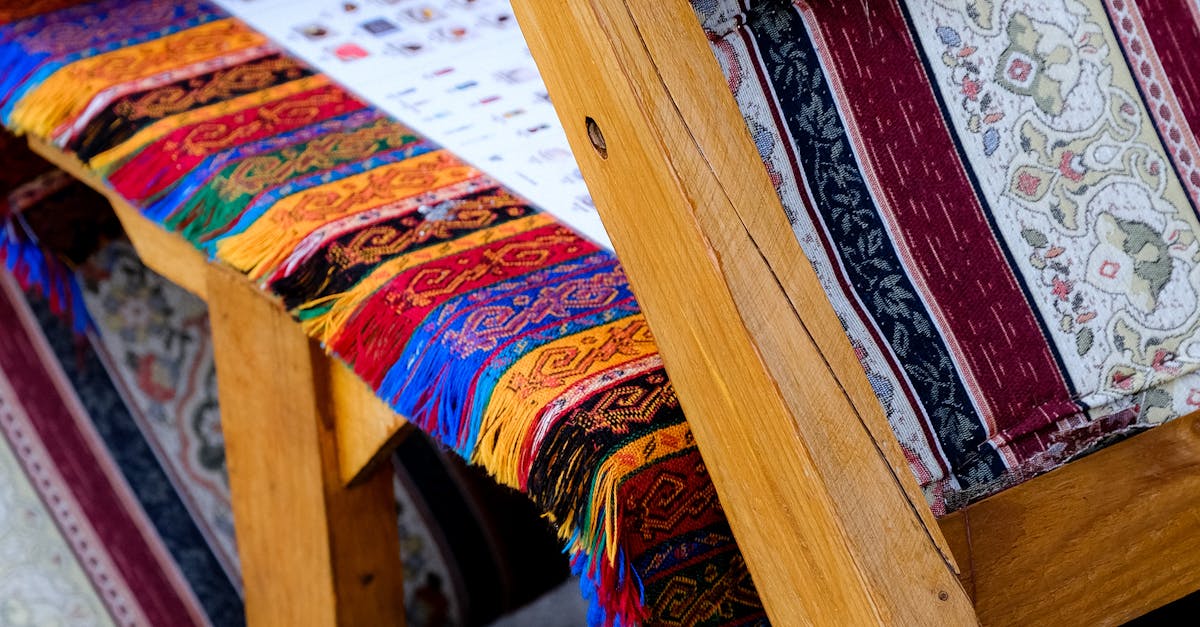
The artistry of Berber carpets is not merely in their physical structure but also in their vibrant colors and intricate designs. These elements often draw inspiration from the surrounding landscapes, incorporating vivid hues derived from natural dyes. The combination of geometric patterns and organic shapes showcases the weaver's personal expression, turning each carpet into a unique piece of art. This dedication to craftsmanship ensures that every carpet is not only functional but also a significant cultural artifact, valued for both its beauty and its historical significance.
Techniques and Skills Passed Down Through Generations
The intricate methods used in creating Berber carpets reflect a deep connection to cultural identity and heritage. Techniques have been carefully preserved and passed down across generations. Each artisan brings individual creativity while adhering to traditional practices. This balance of innovation and tradition ensures that every carpet tells a unique story rooted in the history of the Berber people.
Artisans often work within family units, fostering a community of skilled weavers. The learning process begins at a young age, with children observing and assisting their parents. Over time, they acquire the same techniques that have defined their craft for centuries. This communal knowledge not only enhances the quality of the carpets but also strengthens familial bonds and cultural continuity.
Influence of Berber Carpets on Modern Decor
The unique patterns and earthy colors of Berber carpets have seamlessly integrated into contemporary interior design, offering a bridge between traditional craftsmanship and modern aesthetics. With their geometric motifs and organic textures, these carpets complement a variety of styles, from minimalistic to bohemian, adding warmth and character to spaces. Designers often highlight the natural fibers and handwoven techniques, fostering an appreciation for artisanal work in an era dominated by mass production.
Homeowners increasingly opt for Berber carpets as statement pieces, bringing both authenticity and a sense of history into their environments. The versatility of these carpets allows them to enhance various settings, whether laid in a cozy living room or beneath a dining table, fostering an inviting atmosphere. Their enduring appeal not only reflects a desire for sustainable and ethically sourced products but also serves as a source of inspiration for addressing modern design challenges.
Blending Tradition with Contemporary Design
The unique aesthetic of Berber carpets allows them to seamlessly integrate into various modern design schemes. Their earthy tones and intricate geometric patterns add warmth and texture to contemporary spaces, often contrasting beautifully with minimalist furniture and stark color palettes. Interior designers and homeowners alike appreciate the versatility of these handmade rugs, which provide both comfort and a cultural narrative. This blend of old and new creates a dynamic atmosphere, making spaces feel inviting while celebrating a rich heritage.
As sustainability becomes a priority in design, the enduring quality of Berber carpets stands out. Crafted from natural materials such as wool and dyed with organic pigments, these carpets not only embody traditional craftsmanship but also align with eco-conscious values. Incorporating Berber carpets into modern interiors reflects a commitment to sustainable practices while appreciating artisanal skills. This approach not only enhances the aesthetic appeal but also fosters a deeper connection between past and present, reinforcing the significance of cultural elements in today's design landscape.
FAQS
What do Berber carpets symbolize in terms of status?
Berber carpets are often viewed as status symbols due to their intricate designs, craftsmanship, and the cultural heritage they represent. Owning a Berber carpet can signify wealth, taste, and appreciation for artisanal skills.
How do Berber carpets reflect economic value and social recognition?
The economic value of Berber carpets is derived from the materials used, the time invested in their creation, and their rarity. This value can lead to social recognition, as owning such a carpet can elevate one's social standing within a community.
What skills are involved in the craftsmanship of Berber carpets?
The craftsmanship of Berber carpets involves various techniques such as knotting, weaving, and dyeing, all of which have been passed down through generations. These skills require significant training and an understanding of traditional methods, contributing to the unique quality of each carpet.
How have Berber carpets influenced modern decor?
Berber carpets have influenced modern decor by blending traditional designs with contemporary aesthetics. Their unique patterns and textures can enhance various interior styles, making them a popular choice for both traditional and modern homes.
What is the significance of the techniques used in creating Berber carpets?
The techniques used in creating Berber carpets are significant as they reflect the cultural heritage and history of the Berber people. These methods not only showcase the artistry involved but also preserve the traditions and identity of the communities that create them.