Table Of Contents
Key Takeaways
- Insights into Berber Heritage
- The Craft and Customs of Berber Textiles
- Methods and Designs in Berber Crafting
- The Role of Landscape in Berber Textiles
- Modern Views on Berber Weaving
Understanding Berber Culture
The intricate tapestry of berber culture is deeply rooted in the history and traditions of the Berber people, encompassing diverse berber tribes across North Africa. A vital expression of this heritage is found in The Tradition & Culture Behind Berber Weaving, where skilled artisans create stunning berber carpets and rugs that reflect their unique identity and worldview. These textiles are not merely decorative items; they embody the values, beliefs, and stories of the Moroccan berber communities. Weaving acts as a cultural anchor, linking generations and preserving the essence of berber life. For a modern take on vibrant, personal art, a custom photo rug is a unique choice. Through the vibrant colors and intricate patterns of berber rugs, the rich traditions and profound significance of berber culture come to life, showcasing the enduring legacy of this remarkable heritage.
- The Berber language, Tamazight, is an integral part of their identity and is spoken among various tribes.
- Traditional Berber music, characterized by rhythmic drumming and vocal storytelling, plays a key role in cultural celebrations.
- Berber cuisine, including dishes like tagine and couscous, reflects the agricultural practices and local ingredients of the region.
- Attire, such as the colorful and handwoven garments, represents the artistry and craftsmanship of Berber women.
- Festivals and communal gatherings celebrate important cultural events, strengthening social bonds within the community.
- Berber architectural styles, particularly in the construction of kasbahs and villages, showcase their adaptation to the environment.
- Preservation efforts are vital in maintaining Berber culture amidst globalization and modernization challenges.
Historical Background of the Berber People
The Berber people, indigenous to North Africa, have a rich historical narrative deeply intertwined with Morocco's diverse cultural heritage. Their traditions have evolved through centuries, reflecting influences from various civilizations including the Persian era and Islamic culture. The Tradition & Culture Behind Berber Weaving showcases their unique craftsmanship, with woven fabrics such as Moroccan carpets and rugs embodying a blend of practicality and artistry. These folk art pieces not only serve functional purposes but also tell stories of identity and ancestral connection.
Berber weaving is a significant element of Moroccan culture, illustrating the ways in which the environment and community shape artistic expression. Each tapestry and woven piece preserves traditions passed down through generations, often reflecting the vibrant colors and natural motifs found in Morocco's landscapes. Aspects of daily life, such as Moroccan cuisine and social rituals, are often captured in the intricate patterns of these woven fabrics, making them an essential part of both personal and collective identity.
Key Beliefs and Values in Berber Society
Berber society is deeply rooted in a rich tapestry of beliefs and values that reflect its historical legacy and cultural practices. The Tradition & Culture Behind Berber Weaving illustrates the significance of textiles as both a practical craft and a form of artistic expression. Artisans often engage in ritualistic methods of rug weaving, using techniques passed down through generations. Through their intricate designs, they convey stories and beliefs, creating fabrics that not only serve functional purposes but also embody the community’s identity. This relationship to weaving mirrors the craftsmanship seen in Persian carpets, highlighting an enduring cultural exchange across the ancient world.
These weaves serve as visual narratives, intertwining the lives and experiences of the Berber people. Moroccan carpets, with their distinctive patterns, are more than mere items; they represent a connection to ancestry and the values of folk traditions. Each textile carries a unique story, encapsulating cultural elements that define Berber society. As the art of carpet weaving continues to evolve, these fabrics remain a vital link to the past, showcasing the resilience of Berber identity in a changing world. This profound connection between craftsmanship and cultural heritage emphasizes the importance of preserving these practices for future generations.
The Tradition & Culture Behind Berber Weaving
Berber weaving embodies the rich tradition and culture behind Berber weaving, showcasing the deep-rooted connections between craft and cultural identity. This artisan skill is predominantly passed down through generations of women in Morocco and Tunisia, who utilize traditional techniques to create exquisite Berber carpets and textiles. The use of natural yarn and vibrant colors reflects the authentic Berber culture, often intertwined with symbolic meanings that narrate stories of cultural memory. With connections to other crafts such as pottery, Berber weaving exemplifies the versatility and resilience of Berber craftsmanship, serving as a vital aspect of their cultural heritage. Through these intricate patterns, one can appreciate how Berber weaving is highly dependent on the female culture, preserving ancient traditions while adapting to contemporary influences.
The Significance of Weaving in Berber Life
Weaving holds a profound significance within Berber life, intertwining the fabric of daily existence with cultural heritage. The Tradition & Culture Behind Berber Weaving emphasizes the connection between traditional Berber rugs and the identities of various indigenous Berber communities. In the bustling atmosphere of a traditional Berber market, artisans showcase their craftsmanship, where each piece of a traditional Berber carpet tells a story crafted through generations of skill and tradition. These rugs are not merely functional items; they embody the values, beliefs, and history of different Berber tribes, serving as a symbol of pride and continuity.
For many Berber families, rug weaving is not only a means of livelihood but also a deep-rooted expression of Berber identity. Iconic Berber rugs, with their distinct patterns and colors, reflect the unique artistic expressions of local cultures. Berber rug weaving connects the past and present, preserving ancient techniques while fostering community ties. This weaving tradition remains crucial to the cultural fabric of Berber communities, nurturing a sense of belonging and promoting the exchange of artistry within the vibrant Berber art market.
- Weaving is a key economic activity for many Berber families.
- Each rug is a testament to the artisan's individual skills and creative expression.
- Specific patterns and colors often have symbolic meanings related to Berber culture.
- Weaving involves traditional techniques passed down through generations.
- Rug markets serve as communal spaces for social interaction and cultural exchange.
- The craft of weaving fosters a sense of pride within Berber communities.
- Through their art, Berber weavers contribute to the preservation of their cultural heritage.
The Role of Weaving in Cultural Identity
Weaving serves as a vital expression of identity for the indigenous Berber tribes, particularly within the heartland of Berber regions. This ancient tradition encapsulates the values and stories of the communities, with every thread reflecting cultural narratives passed down through generations. Authentic Berber women often lead this craft, employing traditional weaving techniques that have been refined over centuries. The unique patterns and designs found in Moroccan Berber rugs not only showcase the skill involved but also tell tales of heritage, making each piece a symbol of the tribe’s distinct identity.
The production of Moroccan rugs stands as a testament to the rich tapestry of Berber culture. Each rug intertwines personal and communal histories, tying the weaver to their ancestors and the land. Value Berber rugs are not merely decorative items; they embody the spirit of the people and their surroundings. As the tradition evolves, these ancient weaving techniques continue to contribute to the cultural landscape, sustaining the artistry while ensuring that the significance of Berber weaving remains deeply rooted in contemporary society.
Techniques and Patterns in Berber Weaving
The Tradition & Culture Behind Berber Weaving is deeply intertwined with the region's history and values. Using ancient weaving techniques passed down through generations, artisans create stunning pieces that reflect their cultural identity. Traditional motifs often adorn beige berber rugs, each design telling a unique story or symbolizing significant aspects of life. The cultural tapestry formed by these rugs showcases the rich heritage and local tradition of the Berber people. As the rug tradition continues, traditional craftsmanship remains vital, with ancestral weaving methods still in practice. Berber carpet demonstrations illustrate the meticulous work involved, emphasizing the importance of preserving these traditional techniques and designs for future generations.
| Technique | Description | Common Patterns |
|---|---|---|
| Flat Weaving | A technique using a loom to create rugs without knots, producing a flat surface. | Geometric shapes, stripes, and bands |
| Knotted Pile | This method involves tying knots to create a thick, textured surface in the rug. | Symbolic motifs, animal imagery, and tribal symbols |
| Tribal Weaving | Distinctive styles that vary by tribe, reflecting specific cultural narratives and aesthetics. | Unique, intricate designs that represent myths and local lore |
| Natural Dyeing | Using plants and minerals for dyeing yarns, ensuring environmentally sustainable practices. | Earth tones, rich reds, and deep blues |
Traditional Weaving Methods and Tools
The Tradition & Culture Behind Berber Weaving is deeply rooted in the skills of Moroccan weavers who have preserved their craft over generations. Traditionalists utilize a framework that incorporates both ancient techniques and innovative practices to create intricate tapestries. They often employ traditional tools such as hand looms and shuttle devices, which play a crucial role in their elaborate weaving techniques. Each woven motif tells a story, reflecting the rich tapestry of Moroccan history and cultural identity. For a different take on art forms, you can explore a rug-making workshop.
Traditional methods of weaving are passed down from master to apprentice, ensuring that essential weaving knowledge remains vibrant and intact. The emphasis on traditional skills not only fosters a sense of community but also reinforces the Berber identity. As woven pieces become recognized as significant contributions to international folk art, the love for these traditional art forms continues to thrive, celebrating both the past and present of Berber culture.
Symbolism and Meaning of Patterns
Patterns in Berber weaving carry deep traditional meanings that reflect the cultural roots and unique traditions of the Berber people. Each symbol woven into magnificent textiles serves as a cultural symbol, connecting the artisan to their tribal history and heritage. Traditional rugs crafted on a traditional hand loom not only showcase the skills honed over generations but also tell stories of ancestors and beliefs, making them integral to the cultural legacy of the Berber communities. The use of traditional instruments in the weaving process highlights the meticulous craftsmanship that goes into producing these beautiful textiles.
The designs found in Moroccan rugs often depict elements from nature, geometric shapes, and more abstract motifs, each with its own significance. Cultural studies reveal that these patterns can signify various concepts such as fertility, protection, and spirituality, linking the weaver to the broader tapestry of their community’s experiences. By understanding the symbolism behind these designs, one can appreciate how Berber weaving not only represents artistry but also embodies the historical and cultural narratives that have shaped their identity over time. The Tradition & Culture Behind Berber Weaving is deeply intertwined with the meanings attributed to these intricate patterns.
The Influence of Geography on Berber Weaving
Geography plays a crucial role in shaping The Tradition & Culture Behind Berber Weaving, influencing both the materials used and the styles developed by local artisans. The diverse landscapes of North Africa, from the mountains to the desert plains, contribute to a variety of weaving techniques, resulting in stunning pieces like ancient haouz rugs. Each region produces intricate patterns that reflect the cultural significance of its environment and the history of human cultures that have thrived there. The weaving process often incorporates elements inspired by the traditional clay architecture of the area, creating a rich tapestry that visitors can admire as part of Moroccan highlights. Specialized artisans, with their deep-rooted knowledge and skills, create indigenous art that encapsulates both the practical and aesthetic aspects of life, showcasing the vibrant cultural highlights that define Berber identity.

Regional Variations in Weaving Styles
The Tradition & Culture Behind Berber Weaving showcases diverse regional styles rooted in the rich history of ancient peoples across North Africa. Many artisans in majestic Morocco create rugs that reflect their specific geographical influences. For instance, the northern regions are known for finer weave techniques, while southern styles often favor pile weaving. The rugs' origins can often be traced back to the cultural practices of the local tribes, leading to unique interpretations of intricate geometric patterns and symbolic designs.
Different regions also embrace various thematic elements in their weaving styles, contributing to the vast tapestry of Berber textiles. The intricate vine patterns found in some areas contrast sharply with the bold, graphic motifs seen in others. Cultural initiatives aimed at preserving these traditional crafts help ensure that this art form thrives amidst modern influences. By promoting the unique qualities of durable textiles, these efforts support cultural survival bazaars where artisans can showcase their work, connecting the past to the present in a vibrant celebration of The Tradition & Culture Behind Berber Weaving.
The Impact of Landscape and Environment
The unique geography of North Africa has profoundly influenced the tradition and culture behind Berber weaving. The diverse landscapes, ranging from the rugged Atlas Mountains to the arid Sahara Desert, have inspired amazigh artisans to create woven representations that reflect their surroundings. Each region has its own distinct styles of weaving, showcasing intricate designs that echo the natural beauty of the environment. These exquisite creations are not merely functional items; they embody cultural depth and serve as a testament to the exquisite craftsmanship of the Berber people.
Natural resources present in these landscapes have also shaped the materials used in crafting textiles. The available fibers, dyes, and weaving techniques contribute to the rich tapestry of different styles found within Berber weaving. This blend of geography and indigenous arts results in timeless artworks that capture the origins of Berber culture. As modern art continues to evolve, the influence of traditional weaving practices remains strong, highlighting the enduring cultural gift of these crafts to future generations.
Contemporary Perspectives on Berber Weaving
The tradition and culture behind Berber weaving continue to thrive as indigenous artists and women artisans embrace contemporary adaptations while honoring their rich heritage. Rug weavers are now combining traditional techniques with modern aesthetics, creating intricate rugs that tell a unique story while showcasing distinctive patterns and styles. As Morocco travel guides highlight this evolving craft, the influence of contemporary perspectives is evident in the designs that appeal to modern tastes. This revitalization of a major family craft not only preserves the historical significance of Berber textiles but also introduces innovative elements that resonate with today's consumers, ensuring that the spirit of Berber weaving endures in a rapidly changing world.
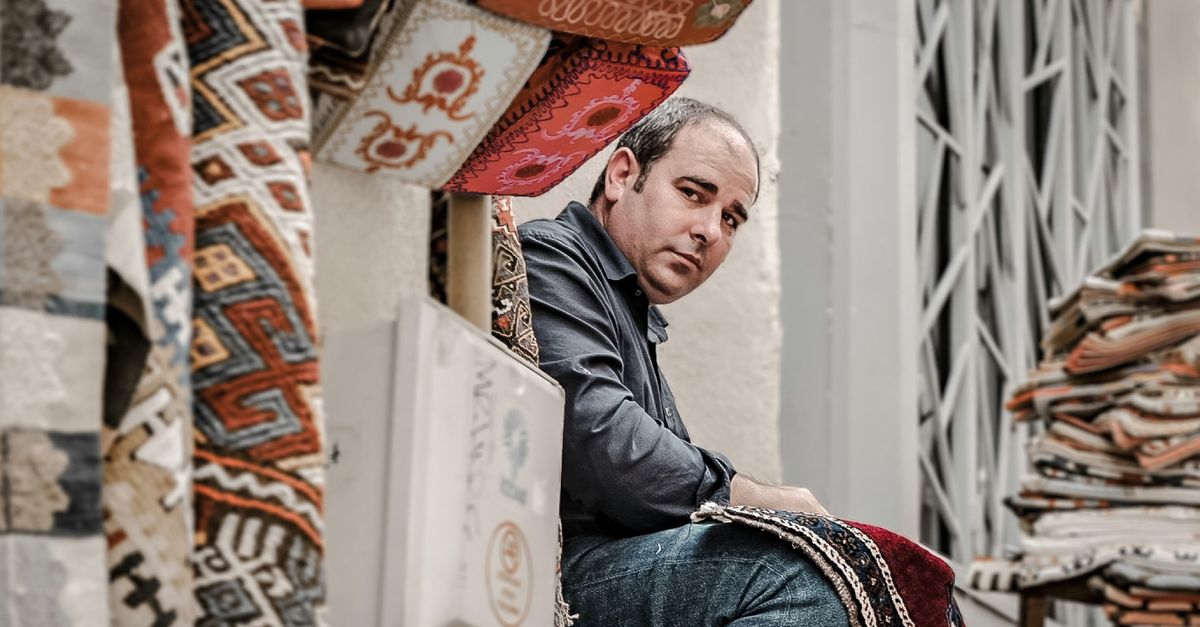
 Photo by Mathias Reding on Pexels
Revitalization of Weaving Traditions
The resurgence of interest in Berber weaving has led to a revival of its rich historical context. Artisans are now creating contemporary rugs that resonate with age-old techniques, blending traditional craftsmanship with modern aesthetics. The distinctive decorative items crafted by atlas weavers showcase durable weaves, made with vertical yarn that reflects both heritage and contemporary design trends. This innovative approach allows the unique patterns of Berber weaving to find a place in today’s fashion, inviting a broader audience to discover Morocco's cultural treasures.
Efforts to sustain these weaving traditions have resulted in new opportunities for artisans to flourish. By embracing their heritage, they are able to integrate their own unique patterns into modern pieces, ensuring the survival of The Tradition & Culture Behind Berber Weaving. Workshops and collaborative projects encourage the sharing of skills and knowledge, fostering a sense of community among weavers. As these traditions gain recognition, the artistry of Berber weaving continues to evolve, maintaining its significance in an ever-changing world while honoring its past.
Conclusion
The Tradition & Culture Behind Berber Weaving not only reflects the artistic genius of the Berber people but also serves as a testament to their rich history and tribal affiliation. Ceremonial practices often incorporate woven textiles, highlighting their significance in rituals and community gatherings. As modern consumer culture shifts, there is a growing inspiration to revitalize these traditional techniques, ensuring that the artistry and meaning behind the fabrics continue to thrive. Whether you choose a traditional Berber rug from Kechart for its cultural heritage or create your own with a custom rug from MyRugy, you are celebrating the art of textile weaving. The enduring legacy of Berber weaving is a bridge between past and present, celebrating cultural identity while adapting to contemporary influences.
FAQS
What is the significance of weaving in Berber culture?
Weaving is a vital aspect of Berber culture, serving not only as a practical craft but also as a means of cultural expression, storytelling, and a way to preserve traditions and identity.
How do Berber weaving techniques differ from other weaving styles?
Berber weaving techniques are unique due to their use of traditional handlooms, specific knotting methods, and distinctive patterns that reflect the cultural heritage and geographical influences of the Berber people.
What materials are commonly used in Berber weaving?
Berber weavers typically use natural fibers such as wool, cotton, and sometimes silk. Modern custom rugs may use polyester for printing. The choice of materials often depends on the available resources in their specific region.
Can you explain the symbolism behind the patterns in Berber weaving?
The patterns in Berber weaving carry deep meanings, often representing elements of nature, spiritual beliefs, or significant life events. Each design can tell a story or convey messages about the weaver's identity and experiences.
How is contemporary Berber weaving being revitalized today?
Contemporary Berber weaving is being revitalized through initiatives that promote traditional craftsmanship, incorporate modern designs, and encourage the participation of younger generations in preserving their cultural heritage.
What are the cultural traditions that define traditional Berber carpets?
The traditional Berber carpets, which are woven by the Berbers in Morocco’s heartland, showcase the rich cultural traditions and the distinctive geometric patterns and symbolic designs that define their unique aesthetic. These traditional production methods have been passed down through generations, reflecting the Berber way of life. The weaving traditions date back centuries, and contemporary aesthetics often incorporate these traditional designs while allowing for modern adaptations, making the Moroccan rug weaving scene diverse and vibrant.
How do the cultural symbols and woven motifs in traditional Berber rugs reflect their history?
The cultural symbols and woven motifs in traditional Berber rugs are deeply rooted in the history of Morocco, particularly in the Berber heartland. These rugs showcase a traditional framework that has been preserved for centuries, with their distinctive geometric patterns and symbolic designs telling stories of the region's origins and cultural heritage in Morocco.
What are the origins of traditional rugs in Morocco?
The origins of traditional rugs in Morocco can be traced back to the unique cultural influences and artistic expressions of various Berber tribes. Over the centuries, these rugs have evolved, incorporating different techniques and styles while maintaining a strong connection to Morocco's rich heritage. Today, Moroccan rugs continue to reflect the artistry and craftsmanship that have been passed down through generations.
How have the origins of traditional rugs in Morocco influenced their design?
The origins of traditional rugs in Morocco are deeply rooted in the country's rich cultural heritage, reflecting the artistry that has evolved over the centuries. Moroccan rugs are often distinguished by unique designs and techniques that have developed through generations, showcasing the diverse influences and traditions that shape Morocco's artistry in weaving.
How have traditional Berber rugs in Morocco changed since their origins?
The evolution of traditional Berber rugs in Morocco reflects a rich tapestry of influences, showcasing how these textiles have transformed in style and technique since their origins. Over the centuries, artisans have adapted their craftsmanship to incorporate various motifs and colors that tell the story of Morocco, demonstrating the dynamic history of these beautiful rugs.
What are the influences on the origins of rugs in Morocco?
The origins of rugs in Morocco are deeply influenced by various cultures, which have contributed to their design and craftsmanship over the centuries. Different styles and techniques have emerged, reflecting the diverse heritage of Morocco, showcasing how these elements have evolved from one century to another.
How do the origins of traditional rugs in Morocco relate to the region's cultural identity?
The origins of traditional rugs in Morocco are deeply intertwined with the cultural identity of the region, reflecting a blend of influences from various historical periods. These rugs often showcase unique designs and craftsmanship that represent the diverse heritage of Morocco, making them not just functional items but also significant cultural artifacts. The rich patterns and motifs in Moroccan rugs tell stories of the communities that created them and their connections to both local and broader influences throughout history.
What historical influences shaped the origins of rugs in Morocco?
The origins of rugs in Morocco are deeply intertwined with the region's rich cultural tapestry, reflecting the influences from various civilizations over centuries. The designs and materials used in Moroccan rugs showcase the unique artistry of the Berber tribes and other cultures that have settled in Morocco, embodying a blend that represents the identity of the Moroccan people. The evolution of these rugs has made them a significant emblem of Morocco's heritage.
How have various cultural interactions influenced the development of rugs in Morocco?
The origins of rugs in Morocco are deeply connected to the rich tapestry of cultural interactions that have occurred throughout history. Influences from Berber, Arab, and Mediterranean cultures have shaped the design, techniques, and motifs of Moroccan rugs. These changes reflect the evolving identity of Morocco, illustrating how the artistry of rugs in Morocco continues to thrive, drawing from its diverse origins while incorporating modern interpretations.