Table Of Contents
Regional Variations in Symbol Usage
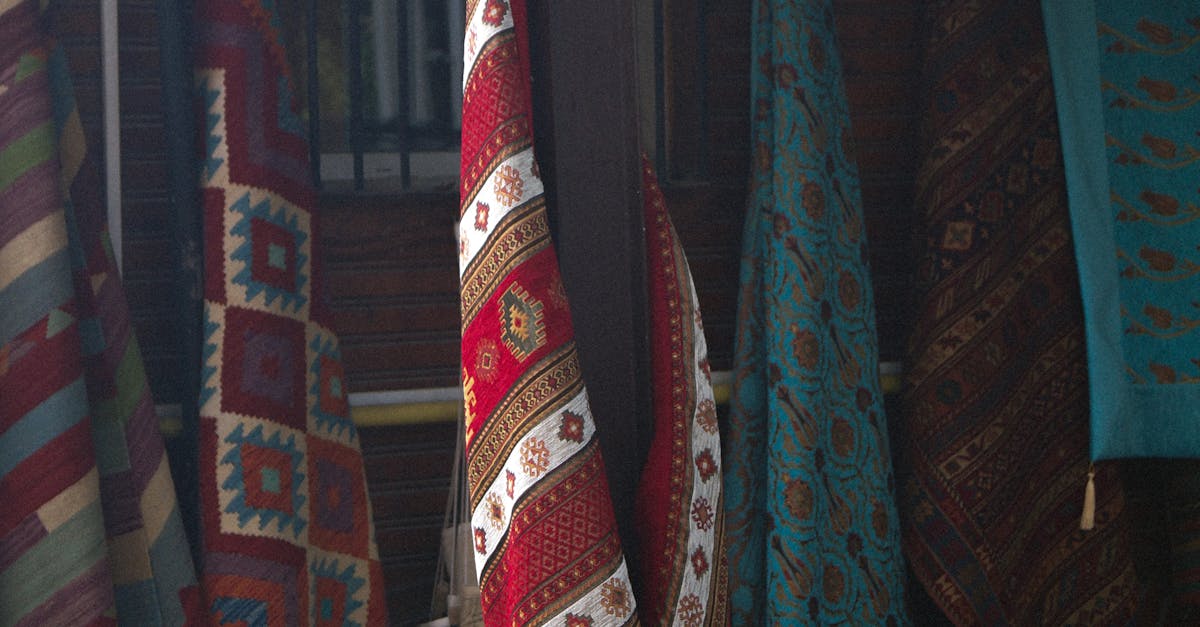
Rug designs vary significantly across different regions, reflecting the unique cultures and traditions of the artisans who create them. In Turkey, for example, intricate geometric patterns frequently symbolize protection and fertility. Meanwhile, Persian rugs may utilize floral motifs that represent beauty and the natural world, each element intricately woven to convey a specific message or significance.
Central Asian rugs often display animal figures and tribal symbols, representing the nomadic lifestyle and the connection to nature that defines these communities. In contrast, indigenous American rugs feature patterns inspired by the spirituality of the land and the cultural narratives passed down through generations. Each region's distinct symbols not only tell a story but also serve as an enduring testament to the rich heritage and beliefs of the people who craft them.
Distinctive Patterns from Different Cultures
Rug patterns reflect a rich tapestry of cultural significance, illustrating the diverse histories and traditions of their regions of origin. For instance, Persian rugs often feature intricate floral designs and medallions that highlight the artistry associated with Persian culture. In contrast, Navajo rugs showcase bold geometric patterns, drawing inspiration from the natural landscape and emphasizing the harmony between human life and the environment.
Similarly, Turkish carpets exhibit distinct motifs, with designs that frequently represent protection and good fortune. The vibrant colors and elaborate patterns of these rugs serve not only as decorative elements but also as a means to convey stories and beliefs passed down through generations. Each culture imbues its rugs with unique symbols and styles, making them not just functional pieces but also narratives of identity and heritage.
Spiritual and Religious Symbols in Rugs
Rugs often serve as vessels for spiritual expression, reflecting the deep-seated beliefs of the artisans who create them. Many cultures incorporate symbols associated with their faiths, ranging from geometric shapes to intricate depictions of deities. These elements not only enhance the aesthetic appeal of the rugs but also convey messages of protection, blessings, and connection to the divine. Each symbol holds significance, serving as an invitation for spiritual presence within the home.
Artisans frequently embed motifs that signify life, death, and renewal, underscoring the cyclical nature of existence in their spiritual beliefs. For instance, the common use of tree of life patterns symbolizes growth and strength across several traditions. In addition, many rugs feature designs that encapsulate rituals or ceremonies, allowing the rich heritage of a culture to flourish in everyday surroundings. Through these visual narratives, rugs transcend their utilitarian purpose, offering a profound connection between the physical and the spiritual world.
The Role of Faith in Design Elements
In many cultures, faith plays a pivotal role in the design of rugs. Various symbols often reflect religious beliefs, bringing together intricate patterns that convey spiritual messages or represent sacred practices. For instance, motifs derived from religious texts or historical figures can be found in rugs created by artisans who prioritize these elements in their work. The craftsmanship often emphasizes the significance of these symbols, merging artistry with devotion.
Design elements inspired by spirituality can also serve as protective talismans, intended to bless the home with safety and prosperity. The incorporation of specific symbols is not merely decorative but is deeply intertwined with the fabric of community and heritage. Each rug tells a story, linking the physical creation to the spiritual beliefs of the weaver and their culture, thus enriching the overall significance of the piece within both individual and communal contexts.
Personal Meanings Behind Rug Symbols
Every rug tells a story, with symbols often reflecting the personal experiences and values of the weaver. For many artisans, these designs are not just aesthetic choices, but representations of memories, dreams, or significant life events. A particular motif might signify the weaver's family heritage or capture a pivotal moment in their life. These personal interpretations transform the rug into not merely a decorative item, but a canvas that illustrates an individual's journey.
Furthermore, the process of crafting a rug becomes a form of self-expression, allowing weavers to communicate their beliefs and emotions. Some symbols may carry special significance that resonates personally, while others might act as a homage to ancestral traditions. The beauty of these personal meanings lies in their uniqueness, emphasizing that no two rugs are the same. Each piece becomes a reflection of the weaver’s identity and experiences, creating layers of meaning that extend beyond their visual appearance.
Individual Interpretations and Stories
Rugs often carry personal significance beyond their overall design. For many weavers, each symbol and pattern reflects unique life experiences, family heritage, or local lore. A specific motif might symbolize a collective memory, such as a cherished event or personal struggle. The stories embedded within these pieces can transform them from mere décor into a narrative tapestry, allowing individuals to connect with their cultural roots or relationships.
The significance attributed to symbols can vary widely from one person to another. What may represent courage and strength for one might symbolize love and protection for another. Interactions with the rug over time may alter its meaning, as people bring their own experiences and emotions to the symbols depicted. Each piece offers a canvas for stories, where the personal twist enhances its value, creating a dialog between the observer and the artistry woven into its fibers.
FAQS
What are some common symbols found on rugs?
Common symbols on rugs include geometric patterns, floral designs, animals, and motifs that represent cultural or spiritual beliefs, such as the tree of life or the eye of protection.
How do symbols on rugs vary by region?
Symbols on rugs often reflect the cultural heritage and traditions of the region where they are made. For example, Persian rugs may feature intricate floral designs, while Turkish rugs often include geometric patterns and symbolic motifs unique to their culture.
What significance do spiritual and religious symbols hold in rug designs?
Spiritual and religious symbols, such as crosses, stars, or crescent moons, are often incorporated into rug designs to convey faith, protection, and blessings. These symbols can represent the beliefs and values of the community from which the rug originates.
Can the symbols on a rug have personal meanings?
Yes, symbols on a rug can hold personal significance for the owner, representing individual stories, memories, or connections to family heritage. Many people choose rugs with symbols that resonate with their own experiences or emotions.
How can I learn more about the symbols on my rug?
To learn more about the symbols on your rug, consider researching the cultural background of the rug's origin, consulting with an expert in textile art, or exploring literature on rug symbolism specific to the region and tradition from which it comes.